2TheLife
ShopIvermectinFenbendazolePeptidesResearchGift CardsBalance
BPC-157 peptide — scientific research evidence review
Research 11 min read

BPC-157: The Science, Research Evidence, and What We Know So Far

Back to Research Blog
Medical Disclaimer: This article is for informational and educational purposes only. It does not constitute medical advice, diagnosis, or treatment recommendations. Always consult a qualified healthcare provider before starting, stopping, or changing any treatment. The information presented here reflects current research and is subject to change as new evidence emerges.

BPC-157 (Body Protection Compound-157) is one of the most extensively studied peptides in regenerative medicine research. With well over 100 published studies spanning three decades, the scientific evidence for its tissue-protective and healing properties is substantial — though primarily preclinical. This article provides a comprehensive, evidence-based review of what the research actually shows, including mechanisms, applications, safety data, and current limitations.

What Is BPC-157?

BPC-157 is a synthetic pentadecapeptide — a chain of 15 amino acids — derived from a partial sequence of a protective protein naturally found in human gastric juice. It was first isolated and characterized by Professor Predrag Sikiric's research group at the University of Zagreb in the early 1990s, and the majority of published research on the compound continues to originate from that lab and its collaborators.

What makes BPC-157 unusual among peptides is its stability in gastric acid. Most peptide compounds — insulin, growth hormone secretagogues, GLP-1 analogs — are rapidly broken down by stomach acid and digestive enzymes, which is why they typically require injection. BPC-157, being derived from gastric juice itself, appears to retain biological activity when taken orally. This single property distinguishes it from nearly every other peptide of research interest and has shaped much of the excitement (and confusion) around how it should be used.

Structurally, BPC-157 is sometimes described as a "stable gastric pentadecapeptide," a phrase that appears repeatedly throughout the primary literature. Unlike growth-hormone-releasing peptides or other bioactive fragments that act on a single, well-defined receptor, BPC-157 appears to have pleiotropic effects — meaning it influences multiple physiological systems simultaneously, which is part of what has made mechanistic research on it more difficult to pin down.

Mechanisms of Action

BPC-157's therapeutic effects appear to operate through several distinct, but interconnected, biological pathways. No single mechanism fully explains its range of reported effects, and researchers generally describe it as acting through convergent, multi-system modulation rather than a single receptor-ligand interaction.

1. Angiogenesis and Growth Factor Signaling

A central theme across the BPC-157 literature is its effect on angiogenesis — the formation of new blood vessels. BPC-157 has been shown to upregulate the expression and activity of key growth factor receptors, including VEGF (vascular endothelial growth factor) and FGF (fibroblast growth factor) receptors, in injured tissue [2]. Since new blood vessel formation is essentially the rate-limiting first step in most tissue repair processes — bringing oxygen, nutrients, and reparative cells to a damaged site — this mechanism is considered foundational to many of the compound's other observed effects, from tendon repair to gastric ulcer healing.

2. Nitric Oxide (NO) System Modulation

BPC-157 interacts with the nitric oxide signaling system in a context-dependent, bidirectional manner. In states of NO deficiency, it appears to restore normal NO production; in states of NO excess (such as during acute inflammation), it can suppress overproduction [1]. Because nitric oxide regulates vascular tone, blood flow, and local inflammatory signaling, this modulatory — rather than simply stimulatory — action may explain why BPC-157 has been reported to normalize function across such a wide range of injury models without producing the dysregulated vasodilation or vasoconstriction seen with direct NO donors or inhibitors.

3. Anti-Inflammatory Pathways

Several studies point to modulation of the JAK-2/STAT-3 intracellular signaling pathway, which plays a central role in the transcription of inflammatory cytokines. BPC-157 has been shown to reduce pro-inflammatory markers such as TNF-alpha and IL-6 in various injury and disease models, while apparently preserving the immune signaling necessary for normal tissue repair [3]. This selective anti-inflammatory action — dampening excess inflammation without fully suppressing immune function — is frequently cited as a key differentiator from broad-spectrum anti-inflammatory drugs like NSAIDs or corticosteroids.

4. Neuroprotective Effects

A growing body of research, much of it summarized in a 2022 review published in Neural Regeneration Research, describes neuroprotective properties across multiple models [4]. These include:

  • Protection against dopaminergic neurotoxicity in models relevant to Parkinsonian symptoms
  • Modulation of serotonergic and dopaminergic system disruption
  • Acceleration of peripheral nerve regeneration following transection injuries
  • Preservation of the blood-brain barrier following traumatic injury in rodent models

The proposed mechanism for these effects again converges on the NO system and growth factor upregulation, alongside effects on the gut-brain axis — an area Sikiric's group has written about extensively, given BPC-157's gastric origins [1].

5. Effects on Muscle and Connective Tissue Repair Signaling

At the cellular level, BPC-157 has also been shown to affect the expression of genes and proteins involved in fibroblast migration and collagen organization, which underlies its reported effects on tendon and ligament healing. Some studies also report modulation of the FAK-paxillin signaling pathway, which is involved in cell adhesion and migration during wound closure — a mechanism that may be particularly relevant to its effects on skin and soft tissue wounds.

Research Evidence by Application

Gut Health and Inflammatory Bowel Disease

The gastrointestinal tract is where BPC-157 research is both oldest and strongest, which makes sense given the peptide's origin in gastric juice. Studies dating back to the 1990s consistently demonstrate:

  • Accelerated healing of gastric ulcers, esophageal lesions, and intestinal damage in rodent models
  • Protection against NSAID-induced gastrointestinal damage, including in models designed to mimic chronic aspirin or indomethacin use
  • Reduced inflammation and improved histological outcomes in experimental colitis models resembling human IBD
  • Restoration of intestinal barrier integrity — often discussed colloquially as "leaky gut" repair — through effects on tight junction proteins and mucosal blood flow

Notably, a Phase II clinical trial for ulcerative colitis (PL-10 / BPC-157) has been conducted, representing one of the few controlled human studies of this compound. Preliminary results and subsequent reviews have supported both the safety and preliminary efficacy signal of BPC-157 in human IBD, although full peer-reviewed trial results with long-term follow-up remain limited [5].

Note: While gut-related applications have the deepest evidence base for BPC-157, most of this evidence remains preclinical. The single Phase II human trial is an important step forward, but it does not yet constitute the kind of large-scale, multi-center evidence base required for regulatory approval as a drug.

Tendon, Ligament, and Muscle Healing

BPC-157 is perhaps best known within the sports medicine and fitness communities for its reported effects on musculoskeletal injuries. This body of research includes some of the most frequently cited studies in the field:

  • Accelerated healing of surgically transected Achilles tendons in rat models, with treated tendons showing improved tensile strength and more organized collagen structure
  • Improved functional and histological recovery from muscle crush injuries
  • Enhanced tendon-to-bone healing in models simulating rotator cuff or ACL-type repairs
  • Faster functional recovery following ligament transection, including in models of medial collateral ligament injury
  • Positive effects on healing even when local blood supply was compromised — a scenario that mimics many real-world sports injuries

A comprehensive review by Gwyer and colleagues (2019), published in Cell and Tissue Research, concluded that BPC-157 "consistently accelerates the rate of healing" in soft tissue injuries across multiple independent animal models, and highlighted its angiogenic and growth-factor-modulating mechanisms as the likely drivers of this effect [6].

Bone Healing

Preclinical studies demonstrate that BPC-157 accelerates bone fracture healing and improves repair of segmental bone defects, likely through the same angiogenic mechanisms responsible for its soft-tissue effects — new blood vessel formation is a critical, and often rate-limiting, step in bone regeneration. Some studies have also examined its use in models of corticosteroid-induced osteoporosis and impaired fracture healing, with positive results on bone density and healing time.

Liver and Organ Protection

BPC-157 has shown hepatoprotective effects across several models of liver injury, including damage induced by chronic alcohol exposure, NSAIDs, and various hepatotoxic chemical agents. Proposed mechanisms include modulation of oxidative stress markers and the NO system within hepatic tissue. Beyond the liver, BPC-157 has also demonstrated protective effects in models involving the pancreas, kidneys, and heart — including reduced damage in models of induced pancreatitis and cardiac ischemia-reperfusion injury, though this cardiac and renal research remains earlier-stage and less replicated than the GI and musculoskeletal literature.

Skin and Wound Healing

Topical and systemic BPC-157 administration has also been studied in models of cutaneous wound healing, including diabetic wound models where healing is typically impaired. Reported effects include faster wound closure, improved collagen deposition, and enhanced local angiogenesis — consistent with the broader mechanistic themes seen throughout the literature.

Summary Table: Research Findings by System

Body System Primary Findings Evidence Level
Gastrointestinal tract Ulcer healing, NSAID protection, colitis reduction Strong preclinical; Phase II human trial
Tendons/ligaments Faster healing, improved tensile strength Strong preclinical (rodent)
Muscle Improved recovery from crush injury Moderate-to-strong preclinical
Bone Faster fracture healing, improved bone density Moderate preclinical
Nervous system Neuroprotection, nerve regeneration Moderate preclinical, growing
Liver/organs Reduced toxin-induced damage Moderate preclinical
Skin/wounds Faster wound closure, collagen support Early-to-moderate preclinical

Oral vs. Injectable: What the Science Says

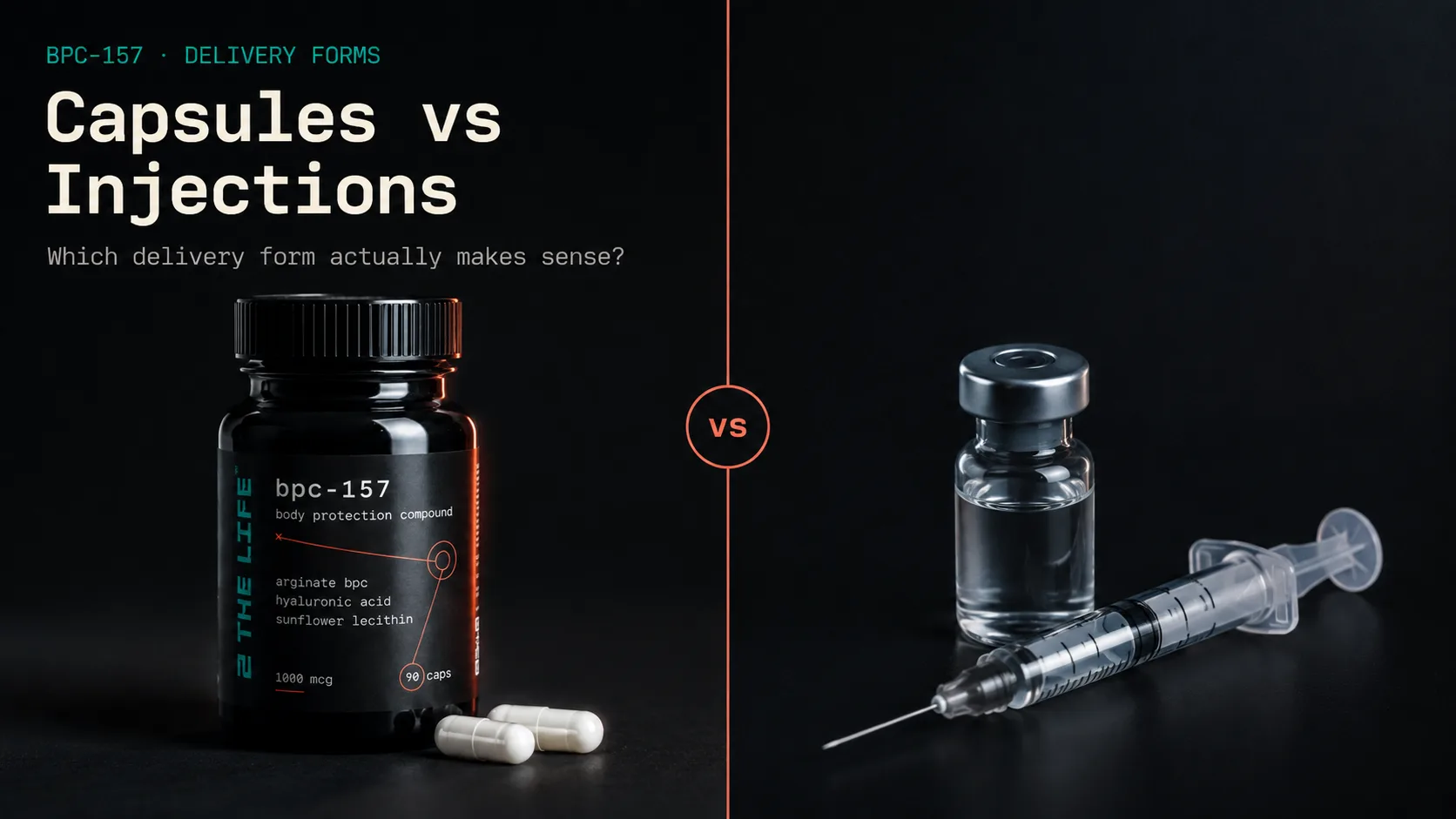
Unlike most peptides, BPC-157 is reported to be effective orally, which represents a meaningful departure from how most peptide therapeutics are administered. For a detailed comparison of capsules vs. injections, including dosing considerations and practical trade-offs, see our BPC-157 Capsules vs. Injections guide.

Key points from the research on route of administration:

  • Oral BPC-157 appears particularly effective for GI-related applications, given direct contact with the affected mucosal tissue as it passes through the digestive tract
  • Systemic effects — including tendon healing and neuroprotection — have been demonstrated in animal studies using both oral gavage and injectable (subcutaneous/intraperitoneal) routes, suggesting the compound is absorbed systemically regardless of route
  • Oral administration avoids the injection-site infection and irritation risks associated with subcutaneous peptide injections
  • BPC-157's gastric acid stability makes it one of the few peptides where oral bioavailability is not considered a primary barrier to systemic activity, unlike peptides such as growth hormone or insulin analogs

That said, most of the pharmacokinetic data comparing absorption and systemic exposure between oral and injectable BPC-157 in humans is still lacking. Animal studies suggest both routes produce measurable biological effects, but exact bioavailability percentages in humans have not been well established in the peer-reviewed literature.

Safety Profile

BPC-157 has a notably clean safety profile within the published literature to date:

  • No reported toxic dose has been identified in animal studies, even at doses many times higher than the typical therapeutic range used in research models
  • No significant adverse effects were reported in the Phase II ulcerative colitis trial, one of the few controlled human data sets available
  • No organ toxicity has been observed in chronic dosing studies in animal models, including studies examining liver and kidney markers after extended administration
  • No known drug interactions are documented in the current literature, though this likely reflects the limited scope of human research to date rather than confirmed absence of interaction risk

However, it's important to be clear-eyed about what this safety data does and does not show. Long-term human safety data — spanning years of continuous use, as would be relevant for a chronic wellness supplement — remains limited. Most safety data comes from short-to-medium duration animal studies and a single human trial focused on a specific condition. Users should exercise standard precautions, discuss use with a healthcare provider, and avoid use during pregnancy, breastfeeding, or in the presence of active malignancy, since angiogenic compounds carry theoretical concerns in cancer biology that have not been specifically ruled out for BPC-157.

Current Limitations of the Evidence

Responsible interpretation of BPC-157 research requires acknowledging several important limitations:

  • Most studies are preclinical (animal models, primarily rodent). While the results are remarkably consistent across labs and injury models, animal data does not guarantee identical effects, dosing, or safety in humans.
  • Limited human dosing data — optimal human doses for various applications are largely extrapolated from animal body-weight-adjusted dosing, rather than established through human dose-ranging studies.
  • Publication concentration — a substantial proportion of the foundational studies come from a single research group (Sikiric and colleagues at the University of Zagreb), though independent replications from other labs and countries do exist and have generally supported the original findings.
  • Regulatory status — BPC-157 is not an FDA-approved drug for any indication and is sold in the U.S. primarily as a research chemical or dietary supplement ingredient, which means manufacturing, purity, and labeling oversight varies significantly between suppliers.
  • Mechanistic understanding is still incomplete — while multiple pathways have been proposed, a definitive, singular receptor or binding target for BPC-157 has not been conclusively identified in the way that, for example, GLP-1 receptor agonists have been characterized.

Taken together, the evidence for BPC-157 is unusually consistent for a preclinical compound, but it has not yet crossed the threshold of rigorous, large-scale human clinical trials required to make definitive medical claims. Ongoing and future human research — particularly outside the IBD context — will be important for clarifying its real-world therapeutic potential in musculoskeletal and neurological applications.

Recommended Products

All products are independently lab-tested for purity (99%+) and ship from the United States.

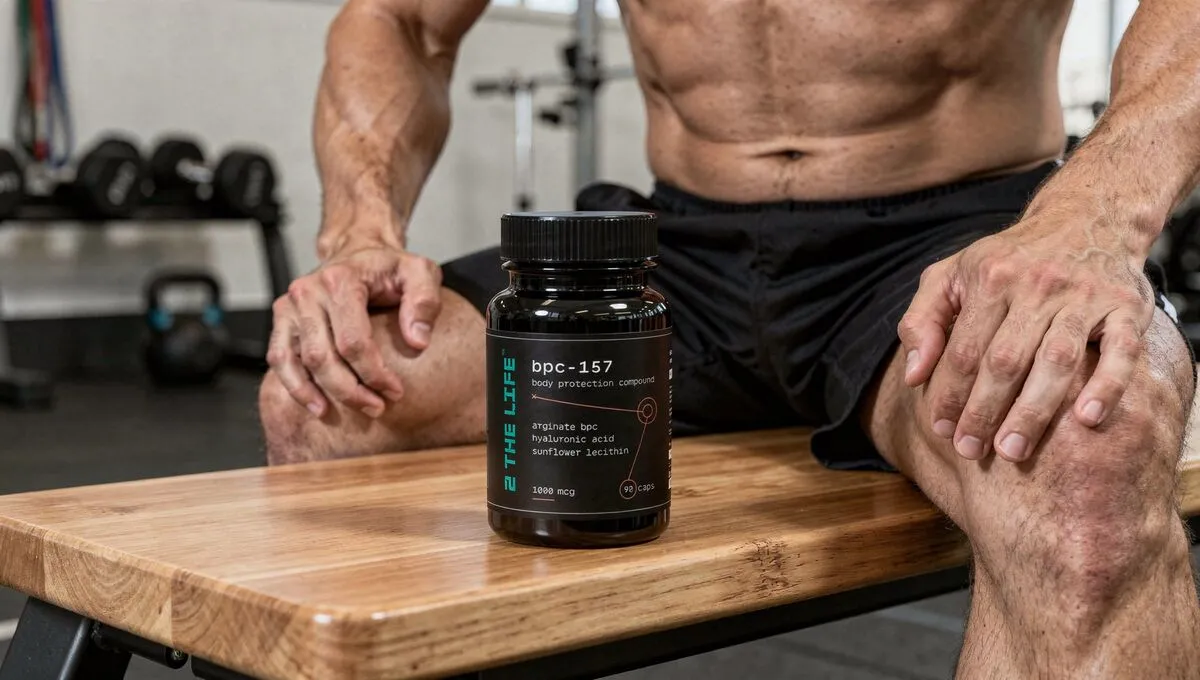
BPC-157 1000 mcg + Hyaluronic Acid — 90 Capsules $89.99

Frequently Asked Questions

Is BPC-157 a peptide?

Yes. BPC-157 (Body Protection Compound-157) is a synthetic pentadecapeptide — a chain of 15 amino acids. It is derived from a naturally occurring protein found in human gastric juice.

What conditions has BPC-157 been studied for?

Preclinical studies have investigated BPC-157 for tendon and ligament injuries, gut inflammation (IBD, ulcers, leaky gut), muscle tears, bone fractures, nerve damage, liver protection, and wound healing. Human clinical trials are limited but ongoing, with the most advanced human data coming from a Phase II trial in ulcerative colitis.

How does BPC-157 promote healing?

BPC-157 appears to work through multiple converging pathways: it upregulates growth factor receptors (VEGF, FGF) to promote angiogenesis, modulates the nitric oxide system, and reduces excess inflammation via the JAK-2/STAT-3 signaling pathway, all while preserving the immune activity needed for normal tissue repair.

Are there human clinical trials for BPC-157?

As of the most recent literature, human data is limited but growing. A Phase II clinical trial has been conducted for inflammatory bowel disease. Most of the extensive evidence base still comes from animal models, which consistently show tissue-protective and regenerative effects across many injury types.

Is oral BPC-157 effective, or does it need to be injected?

Research suggests BPC-157 shows biological activity via both oral and injectable routes. Unlike most peptides, BPC-157 is stable in gastric acid because it is derived from gastric juice. Oral administration appears particularly effective for GI-related conditions, and animal data suggest systemic effects occur through oral dosing as well.

What is a typical research dose of oral BPC-157?

In human supplement contexts, common oral doses discussed range from roughly 250 mcg to 1000 mcg per day, often taken on an empty stomach. These figures are extrapolated from animal dosing studies rather than established through human dose-ranging clinical trials, so they should be viewed as approximations rather than clinically validated doses.

This content is for informational purposes only and does not constitute medical advice. Consult a qualified healthcare provider before beginning any new supplement regimen, particularly if you have an existing medical condition, are pregnant or breastfeeding, or are taking other medications.

References

  1. Sikiric P, et al. "Brain-gut axis and pentadecapeptide BPC 157: theoretical and practical implications." Current Neuropharmacology, 2018. PubMed
  2. Seiwerth S, et al. "BPC 157 and standard angiogenic growth factors: GI tract healing, lessons from tendon, ligament, muscle and bone healing." Current Pharmaceutical Design, 2018. PubMed
  3. Kang EA, et al. "Therapeutic effect of BPC-157 on inflammatory bowel disease: a review." Gastroenterology Research and Practice, 2018. PubMed
  4. Vukojevic J, et al. "Pentadecapeptide BPC 157 and the central nervous system." Neural Regeneration Research, 2022. PubMed
  5. Sikiric P, et al. "Stable gastric pentadecapeptide BPC 157 in trials for inflammatory bowel disease." Pharmaceuticals, 2023. PubMed
  6. Gwyer D, et al. "Gastric pentadecapeptide body protection compound BPC 157 and its role in accelerating musculoskeletal soft tissue healing." Cell and Tissue Research, 2019. PubMed

Read Also

Ivermectin tablets — scientific review of anticancer mechanisms
Research

Ivermectin and Cancer: What the Science Really Says

Read more
Fenbendazole capsules — complete cancer protocol guide
Protocol

Fenbendazole and Cancer: The Science, The Protocols, and What You Need to Know

Read more
BPC-157 body protection compound — capsules for joint and gut health
Guide

BPC-157 Capsules vs. Injections: What's Safer — and What Actually Works

Read more

Shop the Full Protocol

Lab-tested · 99%+ purity · Free US shipping on qualifying orders

Browse All Products

Premium wellness, delivered

Lab-tested supplements and gift cards that never expire. Pay with card or your 2TheLife balance.

Shop now Buy a gift card
2TheLife

Premium wellness & health supplements, crafted for a better life.

ShopIvermectinFenbendazoleGift CardsAccountPrivacy PolicyTerms of Service
© 2026 2TheLife. All rights reserved.