2TheLife
ShopIvermectinFenbendazolePeptidesResearchGift CardsBalance
Fenbendazole capsules — complete cancer protocol guide
Protocol 12 min read

Fenbendazole and Cancer: The Science, The Protocols, and What You Need to Know

Back to Research Blog
Medical Disclaimer: This article is for informational and educational purposes only. It does not constitute medical advice, diagnosis, or treatment recommendations. Always consult a qualified healthcare provider before starting, stopping, or changing any treatment. The information presented here reflects current research and is subject to change as new evidence emerges.

In 2019, a retired businessman named Joe Tippens posted a blog entry claiming his terminal small-cell lung cancer had gone into complete remission. His protocol? Among other things, fenbendazole — a cheap, widely available veterinary dewormer. The internet exploded. Researchers took notice. And five years later, the scientific literature on fenbendazole and cancer has grown substantially, though the gap between preclinical promise and clinical proof remains wide.

What Is Fenbendazole?

Fenbendazole (FBZ) is a benzimidazole carbamate antiparasitic drug first introduced in the 1970s for veterinary use against gastrointestinal parasites in dogs, cats, livestock, and other animals. It is sold under brand names like Panacur C and Safe-Guard, and it has an exceptionally clean safety record in veterinary medicine over more than four decades of use. It is inexpensive, shelf-stable, and available without a prescription in many countries as an animal health product.

It is not approved by the FDA, EMA, or any regulatory body for human use, and certainly not for cancer treatment. What has captured scientific attention is not folklore but mechanism: fenbendazole belongs to the same chemical family as mebendazole and albendazole, benzimidazoles that have been studied for decades as potential anticancer "repurposed drugs" because of their action on microtubules — a structure that rapidly dividing cancer cells depend on heavily.

How Fenbendazole May Fight Cancer: 4 Core Mechanisms

Unlike many single-target chemotherapy agents, fenbendazole appears to act on cancer cells through several overlapping biological pathways simultaneously. This polypharmacology is part of what makes it scientifically interesting — and part of what makes rigorous study difficult, since multiple mechanisms interact in ways not yet fully mapped in humans.

1. Microtubule Disruption — The Structural Attack

Microtubules are dynamic protein filaments made of tubulin that form the cell's cytoskeleton and are essential for chromosome segregation during mitosis. Fenbendazole binds to β-tubulin at a colchicine-like binding site, interfering with tubulin polymerization. Without functional microtubules, a dividing cell cannot properly separate its chromosomes and undergoes mitotic catastrophe or apoptosis.

In a landmark 2018 study published in Scientific Reports, Dogra et al. demonstrated that fenbendazole acted as a "moderate microtubule destabilizing agent" that killed cancer cells by modulating multiple cellular pathways simultaneously, including cell cycle arrest at the G2/M checkpoint and induction of apoptosis. Critically, the study found FBZ retained activity against cell lines that had developed resistance to taxane-based chemotherapy drugs like paclitaxel, which work through a different tubulin-stabilizing mechanism [1]. This resistance-independent activity is one of the more compelling arguments for further research, since chemo-resistance is a major cause of treatment failure in advanced cancer.

Because rapidly dividing cells — not just cancer cells — depend on microtubules, this mechanism also explains why benzimidazoles have selectivity concerns and why dosing and monitoring matter (see the safety section below).

2. Glucose Deprivation — The Metabolic Attack

Most solid tumors rely disproportionately on glycolysis for energy, even in the presence of oxygen — a phenomenon known as the Warburg effect, first described in the 1920s. Cancer cells often overexpress GLUT1, the transporter responsible for shuttling glucose across the cell membrane, and hexokinase II (HKII), the rate-limiting enzyme that commits glucose to the glycolytic pathway.

Preclinical work suggests fenbendazole downregulates GLUT1 expression and interferes with HKII activity, effectively starving cancer cells of their preferred fuel source. Because normal, non-cancerous cells typically rely more on oxidative phosphorylation and have more metabolic flexibility, this mechanism is theorized to provide a degree of selectivity — though this has not been confirmed in controlled human studies.

3. p53 Activation — Turning On the "Guardian of the Genome"

The p53 tumor suppressor protein is one of the most frequently studied targets in oncology. Under normal conditions, p53 detects DNA damage and initiates cell-cycle arrest, DNA repair, or apoptosis if the damage is irreparable. In roughly half of all human cancers, the TP53 gene is mutated or its protein product is functionally suppressed by negative regulators such as Mdm2 and MdmX, which target p53 for degradation.

Fenbendazole has been shown in cell culture models to promote p53 stabilization by suppressing Mdm2 and MdmX activity, effectively restoring the tumor-suppressive function of any remaining wild-type p53 [2]. This is particularly relevant because p53 reactivation is an active area of drug development across the pharmaceutical industry, with several MDM2-inhibitor drugs currently in clinical trials for various cancers.

4. Anti-Angiogenic Effect — Cutting Off the Blood Supply

Tumors beyond a few millimeters in size require angiogenesis — the formation of new blood vessels — to receive adequate oxygen and nutrients to continue growing. Vascular endothelial growth factor receptor 2 (VEGFR-2) is a central driver of this process, and it is the target of several approved cancer drugs, including bevacizumab.

Molecular docking studies have identified fenbendazole as a potential VEGFR-2 antagonist, with in vitro experiments showing that FBZ exposure significantly reduced VEGFR-2 concentrations and downstream angiogenic signaling [3]. If confirmed in vivo, this mechanism could complement the drug's direct cytotoxic effects by limiting tumor vascular supply.

Note: Each of these four mechanisms has been demonstrated primarily in cell culture (in vitro) and animal (in vivo) models. None have been validated in large-scale human clinical trials. Preclinical activity does not guarantee clinical efficacy — a fact well illustrated by the thousands of compounds that show anticancer activity in a petri dish but fail in human trials.

The Evidence Landscape

Understanding what the science does and does not support is essential for anyone researching this topic.

What the science confirms:

  • Extensive preclinical data demonstrating cytotoxic and anti-proliferative activity across numerous cancer cell lines, including non-small-cell lung cancer (NSCLC), small-cell lung cancer (SCLC), breast, colorectal, ovarian, pancreatic cancer, and glioblastoma models
  • Multiple peer-reviewed publications in respected journals including Scientific Reports, Anticancer Research, International Journal of Molecular Sciences, and Molecules
  • Documented activity against taxane-resistant cell lines, suggesting a mechanism distinct from or complementary to standard chemotherapy
  • A decades-long safety record in veterinary medicine, with a well-characterized pharmacological profile in animals

What the science does NOT confirm (yet):

  • No completed randomized controlled clinical trials in human cancer patients
  • No FDA, EMA, or equivalent regulatory approval for any human indication
  • No standardized, clinically validated dosing protocol for humans — current protocols are derived from anecdotal reports and extrapolated from animal pharmacokinetics
  • Case reports of clinical benefit, including the original Joe Tippens account, are individual anecdotes, not controlled evidence, and are subject to confounding by concurrent conventional treatment, spontaneous remission, or other factors

The Joe Tippens Protocol (Original)

Joe Tippens was diagnosed with small-cell lung cancer that had metastasized throughout his body. After being told by his oncology team that further conventional treatment options were exhausted, he began self-administering fenbendazole based on a veterinary researcher's anecdote about dogs with cancer. He combined it with several supplements and continued a course of the immunotherapy drug pembrolizumab (Keytruda) concurrently. Scans several months later reportedly showed no evidence of disease. For a full breakdown of his case and protocol history, see our in-depth Joe Tippens protocol article.

Component Dose Schedule
Fenbendazole222 mg/day3 days on, 4 days off
Vitamin E Succinate400–800 IUDaily
Curcumin600 mgDaily
CBD Oil25 mgDaily

It is critical to note that Joe Tippens was concurrently receiving pembrolizumab, a checkpoint-inhibitor immunotherapy known to produce durable remissions in a meaningful subset of lung cancer patients on its own. This makes it scientifically impossible to attribute his outcome specifically to fenbendazole rather than to the immunotherapy, a combination effect, or some other factor entirely.

The Higher-Dose Approach (444mg)

Many practitioners and online communities now favor a 444 mg daily dose (double the original Tippens amount), following the same 3 days on / 4 days off cycling schedule. Proponents argue that because fenbendazole has notoriously low oral bioavailability in humans, higher doses are necessary to achieve tissue and tumor concentrations comparable to those used in the in vitro studies that demonstrated anticancer activity. Critics counter that doubling the dose also doubles the exposure of the liver to a compound already flagged for hepatotoxicity risk. For a detailed side-by-side comparison of both approaches, including bioavailability math and practical trade-offs, see our complete 222mg vs. 444mg dosing guide and our broader fenbendazole dosage guide.

The Bioavailability Problem

Fenbendazole's biggest pharmacokinetic limitation is poor and inconsistent oral bioavailability in mammals, including humans. As a lipophilic (fat-soluble) compound with low water solubility, it is absorbed inefficiently through the gastrointestinal tract when taken on an empty stomach, and a substantial fraction may pass through the digestive system largely unabsorbed. This is a major reason why anecdotal protocols emphasize several absorption-enhancing strategies:

  • Take with fat — Because fenbendazole is lipophilic, co-administration with a fat-containing meal (avocado, olive oil, full-fat yogurt, nut butter) can meaningfully increase intestinal absorption compared to taking it on an empty stomach.
  • Vitamin E succinate — Included in the original Tippens protocol, this fat-soluble compound is theorized to act as a co-solvent or absorption aid, alongside its own antioxidant and potential pro-apoptotic properties studied independently in oncology research.
  • Piperine (black pepper extract) — Piperine is a well-documented bioavailability enhancer for several poorly-absorbed compounds (most famously curcumin) by inhibiting certain metabolic enzymes and transporters in the gut wall and liver. Some practitioners add it to fenbendazole regimens for the same purpose, though direct pharmacokinetic data on fenbendazole plus piperine in humans is limited.
  • Micronization and particle size — Some manufacturers reduce particle size to increase surface area and dissolution rate, theoretically improving absorption, though comparative human data is scarce.

Because absorption strategies affect how much drug actually reaches systemic circulation, they also affect how much reaches the liver for metabolism — which is directly relevant to the safety considerations discussed next.

Combining Fenbendazole With Other Agents

A number of self-directed protocols pair fenbendazole with other repurposed antiparasitic drugs, most notably ivermectin, based on the theory that combining agents with distinct but complementary mechanisms may produce additive or synergistic effects. Preclinical research on drug combinations in oncology generally supports the idea that multi-mechanism approaches can outperform single agents, but formal human data on the fenbendazole-ivermectin combination specifically remains extremely limited. Anyone considering this approach should understand both the theoretical rationale and its current evidentiary limits — we cover this in detail in our fenbendazole and ivermectin combination guide.

Safety: What You Need to Watch

Hepatotoxicity (liver injury) is the primary documented safety concern with human fenbendazole use. Because fenbendazole is metabolized substantially by the liver — via oxidation to its sulfoxide (oxfendazole) and sulfone metabolites, primarily through cytochrome P450 and flavin-containing monooxygenase pathways — sustained or high-dose use places a metabolic burden on hepatic tissue.

Published case reports describe Drug-Induced Liver Injury (DILI) in cancer patients self-administering fenbendazole outside of clinical supervision, with presentations ranging from asymptomatic transaminase elevation to more significant hepatocellular injury [5], [6]. These reports underscore that although fenbendazole has a strong safety record in short-term veterinary dosing, chronic, high-dose, off-label human use is a fundamentally different exposure pattern with less established safety margins.

Additional considerations include:

  • Drug interactions — Fenbendazole is metabolized through hepatic pathways that may overlap with other medications, including certain chemotherapy agents, anti-seizure medications, and CYP-metabolized drugs. Concurrent use with other known hepatotoxic agents (including many chemotherapy regimens and even high-dose acetaminophen) may have additive liver risk.
  • GI effects — Nausea, diarrhea, and abdominal discomfort have been reported anecdotally, generally mild and self-limiting.
  • Unknown long-term effects — Because there is no formal long-term human safety data at anticancer doses, the full risk profile with extended use (months to years) is not established.

Recommended monitoring: ALT, AST, GGT, and total bilirubin should be checked before starting any fenbendazole regimen, again at approximately two weeks, and then monthly thereafter for the duration of use. Any patient with pre-existing liver disease, elevated baseline liver enzymes, or concurrent use of other hepatotoxic medications should approach this with particular caution and close physician oversight.

Note: Because fenbendazole is not an approved cancer therapy, there is no regulatory body tracking adverse events systematically the way there would be for an FDA-approved drug. This means the true incidence of liver injury or other adverse effects among self-treating individuals is likely underreported.

Who Should Not Consider This Protocol

Certain individuals face elevated risk and should be especially cautious, or should avoid self-directed fenbendazole use altogether without direct medical supervision:

  • Individuals with pre-existing liver disease (cirrhosis, hepatitis, fatty liver disease) or abnormal baseline liver function tests
  • Individuals concurrently taking other hepatotoxic medications or undergoing chemotherapy regimens with known liver toxicity
  • Pregnant or breastfeeding individuals, given the absence of human safety data
  • Individuals on anticoagulant or antiplatelet therapy, given theoretical interactions with metabolic pathways
  • Anyone using fenbendazole as a replacement for, rather than a complement to, evidence-based conventional cancer treatment recommended by their oncology team

Talking to Your Oncologist

Many patients understandably hesitate to disclose supplement or off-label drug use to their treating physicians, fearing dismissal or judgment. This is a significant risk in itself: undisclosed use of fenbendazole alongside chemotherapy or radiation creates a real possibility of unrecognized drug interactions, additive organ toxicity, or confounded monitoring of liver and blood work. Transparent communication allows your oncology team to adjust monitoring, watch for interaction signs, and interpret your labs and scans accurately. Regardless of personal beliefs about repurposed drugs, informing your care team should be considered a non-negotiable safety step.

The Bottom Line

Fenbendazole represents a genuinely interesting case study in drug repurposing — a cheap, well-tolerated veterinary compound with plausible, multi-mechanism anticancer activity demonstrated across a substantial body of preclinical research. The microtubule-disrupting, glucose-depriving, p53-activating, and anti-angiogenic mechanisms are all biologically credible and individually supported by peer-reviewed laboratory research. At the same time, the absence of completed human clinical trials means that efficacy, optimal dosing, and long-term safety in cancer patients remain scientifically unresolved. Anyone considering this protocol should do so with full awareness of both its scientific rationale and its evidentiary limits, under the guidance of a knowledgeable physician, and with regular liver function monitoring throughout.

Recommended Products

All products are independently lab-tested for purity (99%+) and ship from the United States.

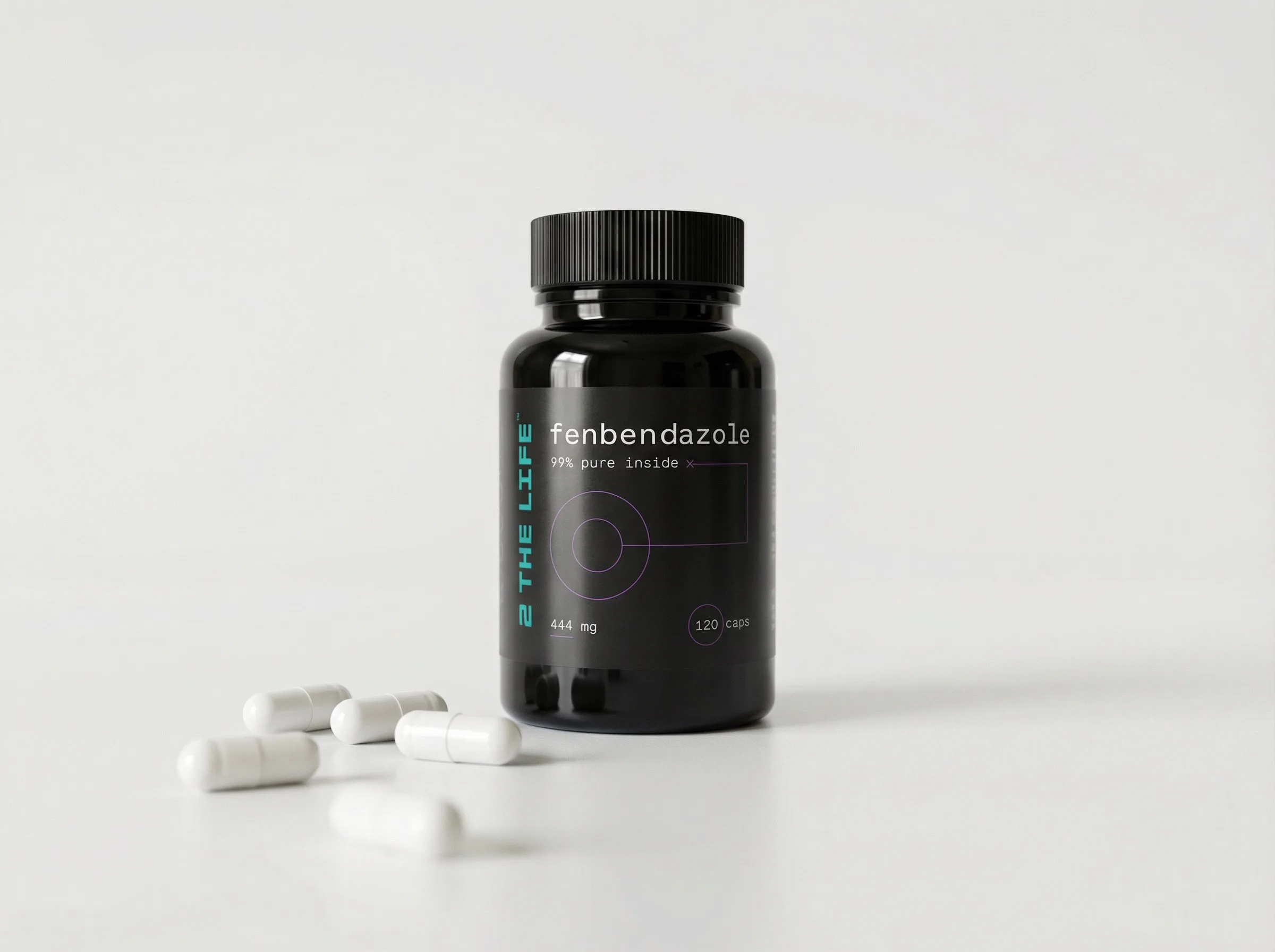
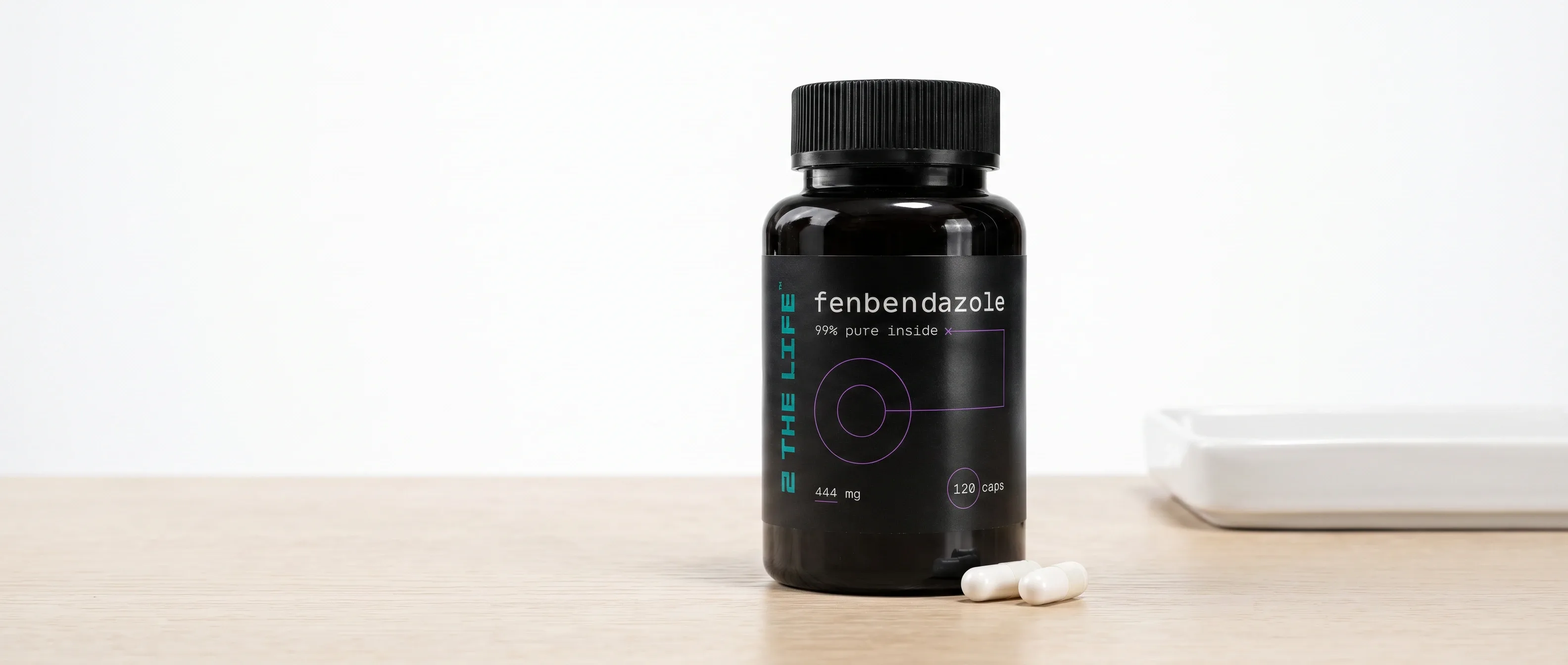
Fenbendazole 444 mg — 120 Capsules $79.99 Fenbendazole 222 mg — 120 Capsules $59.99

Frequently Asked Questions

Is fenbendazole FDA-approved for cancer treatment?

No. Fenbendazole is a veterinary antiparasitic drug and is not FDA-approved for cancer or any human indication. Its anticancer properties are based entirely on preclinical laboratory and animal research, not human clinical trials.

How does fenbendazole kill cancer cells?

Fenbendazole targets cancer through four core mechanisms studied in preclinical models: microtubule disruption (preventing cell division), glucose deprivation (blocking GLUT1 and hexokinase II), p53 activation (restoring tumor-suppressor function), and anti-angiogenic effects (limiting tumor blood supply via VEGFR-2 antagonism).

What is the difference between 222mg and 444mg fenbendazole?

222mg was the original Joe Tippens dose (one Panacur C packet). 444mg is double that dose, used by many current practitioners who argue it's needed to achieve meaningful tissue concentrations due to fenbendazole's low oral bioavailability. See our complete dosing comparison guide.

What is the fenbendazole dosing schedule?

The standard protocol is 3 days on, 4 days off, repeated continuously. This cycling schedule is intended to give the liver periodic recovery time and may theoretically reduce the chance of cancer cells adapting to continuous drug pressure, though this has not been formally studied in humans.

Is fenbendazole safe for humans?

Fenbendazole is generally well-tolerated in short-term, standard veterinary dosing, but the primary documented risk in human anticancer use is hepatotoxicity (liver injury). Published case reports describe Drug-Induced Liver Injury (DILI) in self-treating patients. Baseline and ongoing monitoring of ALT, AST, GGT, and bilirubin is strongly recommended.

Can I take fenbendazole with chemotherapy?

Fenbendazole has shown activity against chemotherapy-resistant cell lines in preclinical studies. However, combining it with hepatotoxic chemotherapy agents carries additive liver risk, and interactions are not well studied. Always inform your oncologist before combining fenbendazole with any conventional cancer treatment.

Should I take fenbendazole with food?

Yes. Taking fenbendazole with a fatty meal (avocado, olive oil, full-fat yogurt) is believed to significantly increase absorption given its lipophilic nature. Vitamin E succinate, included in the original Joe Tippens protocol, is also theorized to act as a fat-soluble absorption companion.

References

  1. Dogra N, Kumar A,

Read Also

Fenbendazole and ivermectin combination protocol — scientific analysis
Research

Fenbendazole + Ivermectin: Why This Combination Is Getting Serious Attention

Read more
Fenbendazole 222mg vs 444mg dosage comparison guide
Guide

Fenbendazole 222mg vs 444mg: Which Dose Is Right for You?

Read more
Joe Tippens fenbendazole protocol — complete 2026 guide
Protocol

Joe Tippens Protocol: The Full Story and What It Looks Like in 2026

Read more

Shop the Full Protocol

Lab-tested · 99%+ purity · Free US shipping on qualifying orders

Browse All Products

Premium wellness, delivered

Lab-tested supplements and gift cards that never expire. Pay with card or your 2TheLife balance.

Shop now Buy a gift card
2TheLife

Premium wellness & health supplements, crafted for a better life.

ShopIvermectinFenbendazoleGift CardsAccountPrivacy PolicyTerms of Service
© 2026 2TheLife. All rights reserved.