2TheLife
ShopIvermectinFenbendazolePeptidesResearchGift CardsBalance
Joe Tippens fenbendazole protocol — complete 2026 guide
Protocol 11 min read

Joe Tippens Protocol: The Full Story and What It Looks Like in 2026

Back to Research Blog
Medical Disclaimer: This article is for informational and educational purposes only. It does not constitute medical advice, diagnosis, or treatment recommendations. Always consult a qualified healthcare provider before starting, stopping, or changing any treatment. The information presented here reflects current research and is subject to change as new evidence emerges.

In 2017, Joe Tippens was told he had three months to live. Small-cell lung cancer. Stage IV. Metastases everywhere — neck, stomach, bladder, pancreas, lungs. His oncologist had run out of conventional options. A family friend suggested he look into something unconventional: a veterinary dewormer called fenbendazole, based on research conducted at Oklahoma State University's veterinary school involving a similar compound.

In January 2018, his PET scan came back clean. Whether fenbendazole was responsible, we still don't know for certain. Tippens was simultaneously enrolled in a Keytruda (pembrolizumab) immunotherapy clinical trial. But his story went viral, sparked a wave of self-experimentation among cancer patients worldwide, and ultimately drew the attention of researchers, oncologists, and skeptics alike. Today, thousands of patients report using some version of what has become known as the "Joe Tippens Protocol," and Facebook support groups dedicated to the regimen have accumulated tens of thousands of members.

This article walks through the protocol exactly as Tippens designed it, the proposed biological rationale behind each ingredient, how the community has modified it over the past several years, what realistic timelines and safety monitoring look like, and what the actual scientific evidence does and does not support. For a broader look at fenbendazole's anticancer mechanisms outside this specific protocol, see our comprehensive fenbendazole cancer protocol guide.

Who Is Joe Tippens, and What Actually Happened?

Joe Tippens was a 61-year-old retired oil-and-gas executive from Edmond, Oklahoma, when he was diagnosed with small-cell lung cancer in 2016. Despite aggressive chemotherapy, his disease progressed and metastasized extensively. In late 2017, running out of treatment options, he learned of an anecdote involving a scientist at a veterinary research lab who reportedly used fenbendazole on himself and experienced tumor regression from a rare cancer. Tippens obtained the veterinary formulation Panacur C (a fenbendazole suspension marketed for dogs) and began self-administering it alongside three supplements: vitamin E succinate, curcumin, and CBD oil.

Critically, Tippens was also enrolled in a clinical trial for pembrolizumab (Keytruda), a PD-1 checkpoint inhibitor immunotherapy known to produce durable remissions in a subset of small-cell and non-small-cell lung cancer patients. When his scans showed no evidence of disease roughly three months after starting the fenbendazole regimen, he attributed his recovery primarily to the dewormer, publishing his detailed protocol and lab records on the website mycancerstory.rocks.

Note: Because Tippens received Keytruda concurrently, it is scientifically impossible to isolate fenbendazole's individual contribution to his remission. Pembrolizumab alone produces complete or partial responses in a meaningful percentage of small-cell lung cancer patients. This confound is the central scientific criticism of the protocol's origin story.

The Original Joe Tippens Protocol — Exactly

The protocol as documented by Tippens himself consists of four components, each with a specific dose and schedule. Understanding the exact original formulation matters because much of what circulates online today has been modified, sometimes substantially, from what Tippens actually took.

1. Fenbendazole — Panacur C (222 mg packets)

  • Dose: 1 packet (222 mg) per day
  • Schedule: 3 days on, 4 days off (this cycling is important — Tippens believed continuous dosing was unnecessary and potentially harder on the liver)
  • Timing: Taken with food, generally a fatty meal, since fenbendazole is lipophilic and absorption may be enhanced with dietary fat
  • Source: Panacur C is FDA-approved for veterinary use in dogs as an anthelmintic; it is not approved for human use, and no human oncology dosing has been formally established

For a full breakdown of dosing strategies, including how to titrate and cycle fenbendazole safely, see our complete fenbendazole dosage guide.

2. Vitamin E Succinate (δ-tocopherol succinate)

  • Dose: 400–800 IU daily
  • Specifically the succinate form (also called tocopheryl succinate), which has demonstrated independent pro-apoptotic activity against cancer cells in preclinical models, distinct from plain alpha-tocopherol used as a dietary antioxidant
  • Vitamin E succinate has been studied since the 1980s as a redox-silent analog capable of inducing apoptosis in tumor cells via mitochondrial pathways without the antioxidant activity that some researchers worry could theoretically protect cancer cells from oxidative-stress-based therapies

3. Curcumin / Turmeric

  • Dose: ~600 mg daily
  • Take with piperine (black pepper extract) for absorption — curcumin alone has notoriously poor oral bioavailability, with studies showing piperine can increase its bioavailability by up to 2000% in some contexts
  • Role: NF-κB inhibition, anti-inflammatory, anti-angiogenic; curcumin has been studied in over 100 clinical trials for various conditions, including several oncology-adjacent trials examining its role in chemoprevention and symptom management

4. CBD Oil

  • Dose: 25 mg daily
  • Role: Anti-proliferative via endocannabinoid receptor signaling (CB1/CB2), with some preclinical evidence suggesting CBD can induce apoptosis and inhibit angiogenesis in certain tumor models
  • Secondary role: appetite stimulation, nausea reduction, and general quality-of-life support during cancer treatment, which is well-documented in the palliative oncology literature independent of any direct anticancer effect

Why This Specific Combination?

The logic behind combining these four agents rests on a "multi-hit" hypothesis: rather than relying on a single mechanism to kill cancer cells, the protocol attempts to simultaneously disrupt several distinct biological processes that tumors depend on to survive and proliferate.

Component Primary Mechanism Secondary Role
FenbendazoleMicrotubule disruption + GLUT1 blockade + p53 upregulationStructural attack on cell division machinery
Vitamin E SuccinateMitochondrial apoptosis in cancer cellsFat-soluble carrier that may aid FBZ absorption
CurcuminNF-κB suppression + anti-angiogenesisAnti-inflammatory, symptom modulation
CBDCB1/CB2-mediated anti-proliferative signalingQuality-of-life support (nausea, appetite, sleep)

The core mechanistic claim for fenbendazole itself is grounded in benzimidazole pharmacology. Fenbendazole, like other benzimidazole anthelmintics (including mebendazole and albendazole), binds beta-tubulin and interferes with microtubule polymerization. Dogra and colleagues demonstrated in a 2018 Scientific Reports paper that fenbendazole acts as a "moderate microtubule destabilizing agent," producing mitotic arrest and apoptosis in cancer cell lines at concentrations achievable in laboratory settings — though translating these in vitro concentrations to achievable human plasma levels via oral dosing remains scientifically unresolved.

Separately, fenbendazole has been reported to inhibit GLUT1-mediated glucose uptake in cancer cells, an appealing mechanism given the Warburg effect — the observation that many cancers rely heavily on glycolysis for energy even in the presence of oxygen. Some preclinical work also suggests fenbendazole may upregulate p53, a tumor suppressor gene frequently inactivated in human cancers, though this effect appears context- and cell-line-dependent rather than universal.

The principle underlying the full four-part stack is metabolic + structural multi-targeting: hit the cancer through its energy supply (GLUT1 blockade), its structural scaffolding (microtubule disruption), its inflammatory microenvironment (curcumin's NF-κB suppression), and its mitochondrial vulnerability (vitamin E succinate), while supporting the patient's overall tolerance and comfort (CBD). It is important to note that this multi-targeting rationale is theoretically coherent but has never been tested as a combined regimen in a controlled clinical trial in humans.

What the Peer-Reviewed Evidence Actually Shows

It's essential to separate three distinct bodies of evidence when evaluating this protocol: laboratory (in vitro) data, animal (in vivo) data, and human clinical data. For fenbendazole specifically, human clinical oncology data is essentially nonexistent — there are no completed randomized controlled trials testing fenbendazole as a cancer treatment in humans.

What does exist is a substantial body of in vitro work. Beyond the Dogra et al. 2018 study, other benzimidazoles have been studied more extensively as repurposing candidates. Mebendazole, fenbendazole's close chemical relative, has been the subject of a 2019 review by Guerini and colleagues examining its potential role in oncology drug repurposing, citing preclinical evidence across colorectal cancer, glioblastoma, and adrenocortical carcinoma models. Mebendazole has even progressed to early-phase human trials for glioblastoma (NCT01729260) and adrenocortical carcinoma, offering somewhat more translational support for the benzimidazole class broadly — though results from these trials have been mixed, and fenbendazole itself has not followed the same clinical development pathway.

It's worth being direct about a key limitation: fenbendazole is approved and marketed exclusively as a veterinary anthelmintic. It has never undergone the pharmacokinetic characterization, dose-escalation studies, or toxicology profiling in humans that any drug requires before oncology use. Oral bioavailability of fenbendazole in animal studies is notably poor and highly variable, which is part of the rationale some practitioners cite for increasing the dose from 222 mg to 444 mg — discussed further below.

How the Protocol Has Evolved Since 2019

The 444 mg Switch

Many practitioners and patient communities now recommend 444 mg of fenbendazole rather than the original 222 mg dose Tippens used. The rationale centers on fenbendazole's pharmacokinetics: it has very low and inconsistent oral bioavailability in mammals, meaning a substantial fraction of any oral dose is never absorbed into systemic circulation. Proponents argue that doubling the dose may be necessary to achieve tissue concentrations closer to those shown to have activity in laboratory cancer cell studies.

However, doubling the dose also doubles the theoretical burden on hepatic metabolism, since fenbendazole is metabolized primarily through the liver via oxidation to fenbendazole sulfoxide (oxfendazole) and further to fenbendazole sulfone. This is precisely why liver function monitoring, discussed below, becomes even more critical at higher doses. We break down the tradeoffs between these two dosing philosophies in detail in our dosage guide.

Adding Ivermectin

The single biggest evolution in the community-modified protocol has been the addition of ivermectin, another antiparasitic drug that gained independent attention for possible anticancer properties. Ivermectin appears to act through largely non-overlapping pathways compared to fenbendazole — including P-glycoprotein (P-gp) modulation (relevant to overcoming multidrug resistance in tumor cells), Wnt/β-catenin pathway inhibition, PAK1 kinase inhibition, and modulation of the tumor immune microenvironment. Because these mechanisms are mechanistically distinct from fenbendazole's tubulin-and-glucose-metabolism-focused activity, combining the two drugs is considered by proponents to be complementary rather than redundant.

We cover the ivermectin combination in full detail, including reported dosing schedules and drug interaction considerations, in our dedicated guide: Fenbendazole + Ivermectin: The Combination Protocol.

Other Community Modifications

Beyond dose escalation and ivermectin addition, various online communities have proposed further additions including metformin (for its AMPK-activating, anti-glycolytic properties), berberine, mebendazole rotation, and various dietary interventions such as ketogenic or intermittent fasting protocols aimed at further restricting glucose availability to tumors. None of these additions have controlled clinical evidence supporting their combination with fenbendazole specifically, and each introduces its own independent side-effect profile and interaction risks that should be discussed with a physician.

What to Expect: Reported Timelines

Note: These are anecdotal reports collected from patient communities and self-published case reports, not data from controlled clinical trials. Individual experiences vary enormously by cancer type, stage, prior treatment history, and concurrent therapies.
  • Initial inflammatory responses (fatigue, mild GI upset, occasionally flu-like symptoms) reported in the first 1–2 weeks
  • Tumor marker changes (e.g., CA 19-9, CEA, PSA depending on cancer type) tracked by patients every 4–8 weeks
  • Imaging changes (CT, PET, MRI) most commonly reported at the 3–6 month mark, aligning with typical oncology surveillance imaging intervals
  • Some patients report no detectable changes at all, and it is likely that publication and reporting bias in online communities skews visible testimonials toward positive outcomes

The Safety Non-Negotiables

Regardless of one's view on the protocol's efficacy, several safety precautions are essential for anyone considering it, and are consistently emphasized even within patient advocacy communities themselves.

  1. Liver function baseline: Get ALT, AST, GGT, and bilirubin tested before you start. Fenbendazole is hepatically metabolized, and case reports of drug-induced liver injury exist for related benzimidazoles at high or prolonged doses.
  2. Recheck at 2 weeks and monthly thereafter: Early detection of rising liver enzymes allows for dose adjustment or discontinuation before serious injury develops.
  3. Tell your oncologist: This is not optional. Your oncology team needs to know about every substance you're taking so they can monitor for interactions, particularly with chemotherapy agents metabolized through the same CYP450 hepatic pathways, and interpret your labs and imaging in proper context.
  4. Do not take continuous daily doses: Follow the 3-on / 4-off cycling structure. This intermittent dosing schedule is a deliberate design feature intended to give the liver recovery time between exposure periods, not an arbitrary detail that can be safely ignored.
  5. Watch for drug interactions: Curcumin and CBD both have documented effects on CYP450 liver enzymes and can alter the metabolism of many prescription medications, including some chemotherapy agents and blood thinners.
  6. Do not substitute for, or delay, conventional treatment without direct guidance from your treating oncologist. The protocol has never been shown in controlled trials to be an effective substitute for evidence-based cancer therapy.

Putting the Evidence in Perspective

The Joe Tippens Protocol occupies an unusual space in modern oncology discourse: a compelling personal story, a biologically plausible (if unproven) mechanistic rationale, a large and enthusiastic patient community generating real-world anecdotal data, and a near-total absence of the controlled human clinical trials that would be needed to establish efficacy or optimal dosing. Patients considering this approach should understand it as an experimental, self-directed intervention rather than an established cancer treatment, and should pursue it — if at all — as a closely monitored complement to, not a replacement for, oncologist-directed care. For readers wanting the broader mechanistic picture of fenbendazole in oncology research independent of the Tippens story specifically, our fenbendazole cancer protocol overview is a useful next read.

What exactly is the Joe Tippens protocol?

The Joe Tippens protocol consists of fenbendazole (222 mg, 3 days on/4 days off), Vitamin E succinate (400–800 IU daily), curcumin (600 mg daily), and CBD oil (25 mg daily). It was popularized by Joe Tippens, who claimed complete cancer remission while following this protocol.

Did Joe Tippens' cancer actually go into remission?

Yes, his remission was real and documented. However, he was simultaneously enrolled in a Keytruda (pembrolizumab) immunotherapy clinical trial. The independent contribution of each component to his outcome is unknown.

Should I use 222mg or 444mg fenbendazole?

The original Tippens protocol uses 222 mg. Many current practitioners recommend 444 mg due to fenbendazole's low bioavailability. See our complete dosing comparison for help deciding, and our broader dosage guide for cycling considerations.

Can I add ivermectin to the Tippens protocol?

Many people have added ivermectin. The two drugs target completely different cancer pathways, making the combination mechanistically compelling. Read our combination protocol guide for details on dosing and interaction risks.

How long before I see results on the protocol?

Anecdotal reports from patient communities suggest initial inflammatory responses in 1–2 weeks, tumor marker changes at 4–8 weeks, and imaging changes most commonly at 3–6 months. These are NOT clinical data. Establish baseline labs before starting.

Is the Joe Tippens protocol safe?

The main risk is hepatotoxicity from fenbendazole. Get liver function tests (ALT, AST, GGT, bilirubin) before starting, at 2 weeks, and monthly. Always inform your oncologist. Do not take fenbendazole continuously — follow the 3-on/4-off cycling.

This content is for informational purposes only and does not constitute medical advice. Always consult a qualified healthcare provider, and specifically your treating oncologist, before starting any experimental or off-label regimen, particularly during active cancer treatment.

Recommended Products

All products are independently lab-tested for purity (99%+) and ship from the United States.

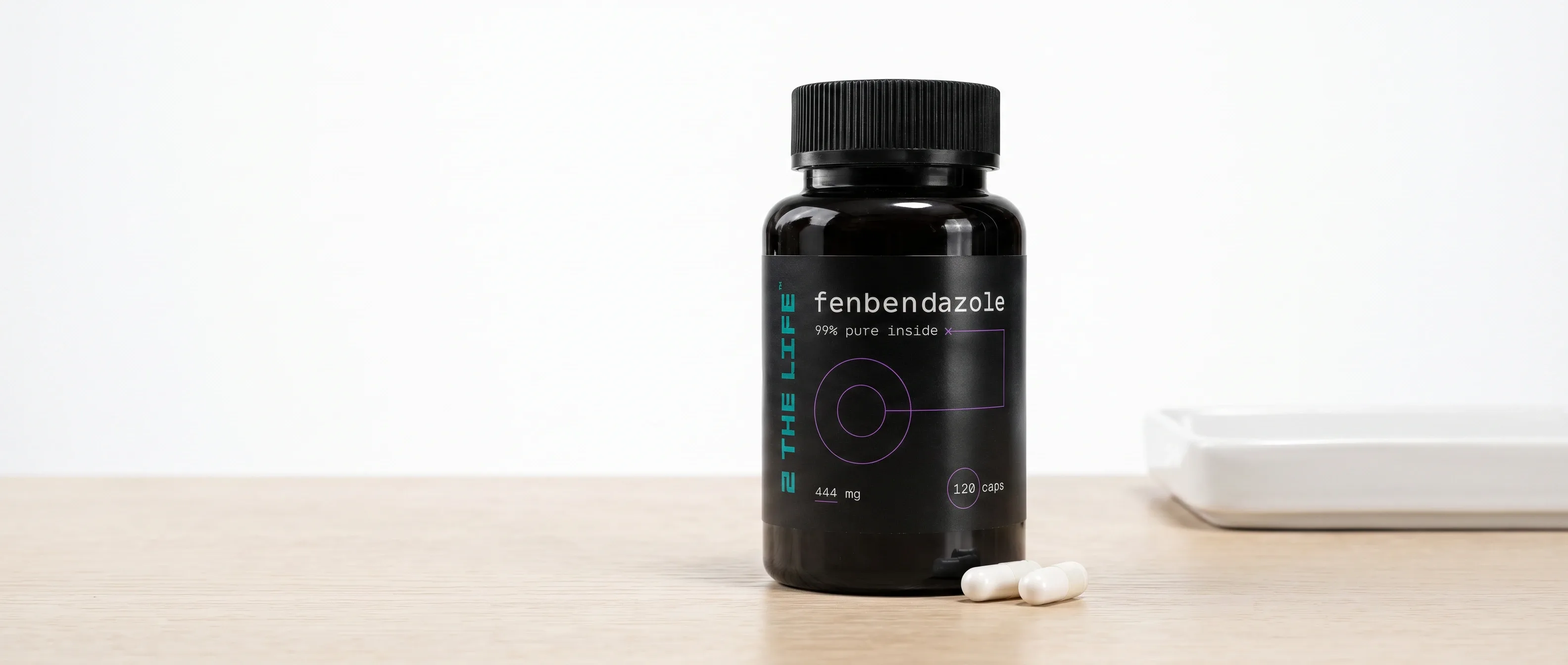
Fenbendazole 444 mg — 120 Capsules $79.99 Fenbendazole 222 mg — 120 Capsules $59.99

References

  • Dogra N, Kumar A, Mukhopadhyay T. "Fenbendazole acts as a moderate microtubule destabilizing agent and causes cancer cell death by modulating multiple cellular pathways." Scientific Reports, 2018. pubmed.ncbi.nlm.nih.gov/30093705
  • Guerini AE, Triggiani L, Maddalo M, et al. "Mebendazole as a Cand

Read Also

Ivermectin tablets — scientific review of anticancer mechanisms
Research

Ivermectin and Cancer: What the Science Really Says

Read more
Fenbendazole and ivermectin combination protocol — scientific analysis
Research

Fenbendazole + Ivermectin: Why This Combination Is Getting Serious Attention

Read more
Fenbendazole 222mg vs 444mg dosage comparison guide
Guide

Fenbendazole 222mg vs 444mg: Which Dose Is Right for You?

Read more

Shop the Full Protocol

Lab-tested · 99%+ purity · Free US shipping on qualifying orders

Browse All Products

Premium wellness, delivered

Lab-tested supplements and gift cards that never expire. Pay with card or your 2TheLife balance.

Shop now Buy a gift card
2TheLife

Premium wellness & health supplements, crafted for a better life.

ShopIvermectinFenbendazoleGift CardsAccountPrivacy PolicyTerms of Service
© 2026 2TheLife. All rights reserved.