2TheLife
ShopIvermectinFenbendazolePeptidesResearchGift CardsBalance
Fenbendazole and ivermectin combination protocol — scientific analysis
Research 11 min read

Fenbendazole + Ivermectin: Why This Combination Is Getting Serious Attention

Back to Research Blog
Medical Disclaimer: This article is for informational and educational purposes only. It does not constitute medical advice, diagnosis, or treatment recommendations. Always consult a qualified healthcare provider before starting, stopping, or changing any treatment. The information presented here reflects current research and is subject to change as new evidence emerges.

If fenbendazole and ivermectin each have anticancer properties on their own, what happens when you combine them? The scientific argument is actually quite compelling — not because they do the same thing, but because they target cancer through entirely different mechanisms. This article examines the mechanistic rationale, the emerging (but still limited) clinical evidence, practical protocol structures being discussed in patient communities, and the safety considerations that come with layering two anthelmintic drugs on top of each other.

Note: This content is for informational purposes only and does not constitute medical advice. Neither fenbendazole nor ivermectin is approved for cancer treatment in humans. Any decision to use these drugs off-label should be made in close consultation with an oncologist.

The Logic Behind Combination Therapy in Oncology

Standard oncology has long understood that cancer is harder to kill with a single drug than with multiple drugs targeting different vulnerabilities. This is why chemotherapy regimens typically include two to four agents — each hitting a different node in the cancer cell's survival network. The rationale is simple: cancer cells that survive one mechanism of attack are unlikely to also survive an unrelated one. Combination regimens reduce the odds that a resistant subpopulation of cells can emerge and repopulate the tumor.

This same logic is now being applied — informally, and largely outside of formal clinical trials — to the combination of fenbendazole (FBZ) and ivermectin (IVM), two inexpensive, decades-old antiparasitic drugs that have each independently accumulated a body of preclinical anticancer literature. Individually, both drugs have been covered in depth elsewhere: see our full breakdowns of the fenbendazole cancer protocol and ivermectin's anticancer mechanisms. The interest in combining them stems from a simple observation: their mechanisms barely overlap.

Together, fenbendazole and ivermectin create a scenario where:

  • Cancer cells can't divide (FBZ — microtubule disruption)
  • Cancer cells can't fuel themselves (FBZ — GLUT1 blockade)
  • Cancer cells can't resist chemotherapy (IVM — P-gp inhibition)
  • Cancer cells can't hide from the immune system (IVM — immunogenic cell death induction)
  • Cancer stem cells are suppressed (IVM — PAK1/STAT3 axis)

This pattern of complementary — rather than redundant — mechanisms is exactly what oncologists look for when designing rational combination regimens. It's also the central reason this pairing has become the most widely discussed "dual protocol" in the online community that grew out of the viral Joe Tippens protocol, which originally combined fenbendazole with cannabidiol, curcumin, and vitamin E, and which many patients have since modified to include ivermectin.

The Mechanism Map: How They Complement Each Other

To understand why this combination is mechanistically interesting, it helps to lay the two drugs' known anticancer pathways side by side. Fenbendazole is a benzimidazole originally developed as a livestock and companion-animal dewormer; its anticancer interest stems from its ability to bind β-tubulin, a protein structurally similar (though not identical) to the tubulin isoforms targeted by human chemotherapy drugs like paclitaxel and vincristine [2]. Ivermectin, a macrocyclic lactone derived from Streptomyces avermitilis, works through an almost entirely separate set of pathways, including glutamate-gated chloride channel modulation (in parasites), Wnt/β-catenin suppression, PAK1 degradation, and P-glycoprotein (P-gp) inhibition in mammalian cancer cells.

Target Fenbendazole Ivermectin
Cell division✅ β-tubulin disruption✅ Mitotic spindle disruption
Glucose metabolism✅ GLUT1/HKII inhibition—
MDR / Drug resistance—✅ P-gp inhibition
Apoptosis✅ p53 activation✅ Caspase + pyroptosis
Wnt/β-catenin—✅ TELO2 → β-catenin ↓
PAK1 / CSCs—✅ PAK1 ubiquitination
Immune activation—✅ ICD, PD-L1 ↓
Angiogenesis✅ VEGFR-2 inhibition—

The key insight: There is almost zero mechanistic overlap. This means combining them doesn't create redundancy — it creates comprehensive coverage across cancer's key survival mechanisms. In principle, a cancer cell that manages to survive microtubule disruption by upregulating an alternative tubulin isoform, or that compensates for reduced glucose uptake by shifting to glutamine metabolism, would still be exposed to ivermectin's separate assault on Wnt signaling and drug efflux pumps. This is the same principle behind why combination chemotherapy regimens like FOLFOX or R-CHOP outperform single agents.

Why Mechanistic Non-Overlap Matters

In pharmacology, drugs that act on the same pathway tend to produce additive — not synergistic — effects, and they also tend to select for the same resistance mutations. Drugs that act on separate pathways are more likely to produce true synergy, defined technically as an effect greater than the sum of the two individual effects (often measured using the Chou-Talalay combination index). While no published combination-index study exists specifically for fenbendazole plus ivermectin in cancer cell lines, the underlying pharmacological logic mirrors combinations that have been formally studied, such as microtubule inhibitors paired with efflux-pump inhibitors in multidrug-resistant tumor models.

The MDR Reversal Synergy

Perhaps the most clinically actionable piece of this combination isn't about fenbendazole and ivermectin acting directly against each other's targets — it's about how ivermectin might make other cancer drugs work better, including fenbendazole itself, and especially any concurrent chemotherapy.

Multidrug resistance (MDR) is one of the primary reasons chemotherapy eventually fails. A large share of MDR is driven by P-glycoprotein (P-gp, encoded by the ABCB1 gene), an efflux pump that actively pumps chemotherapy drugs — and possibly fenbendazole metabolites — back out of cancer cells before they can act. Ivermectin has been shown in vitro to inhibit P-gp more potently than verapamil, the long-standing reference compound used in MDR reversal research [1]. In the Jiang et al. (2019) study, ivermectin reversed doxorubicin and vincristine resistance in P-gp-overexpressing cancer cell lines by binding directly to the transporter and blocking its efflux activity, while also downregulating EGFR/ERK/Akt/NF-κB survival signaling [1].

This has a direct implication for a fenbendazole–ivermectin stack: if fenbendazole's benzimidazole structure makes it a substrate for P-gp (a plausible but not definitively confirmed mechanism), then co-administering ivermectin could theoretically increase intracellular fenbendazole retention in tumor cells that have upregulated this pump — a form of pharmacokinetic synergy layered on top of the pharmacodynamic synergy from having non-overlapping mechanisms.

Additional Complementary Mechanisms Worth Noting

Metabolic Stress Plus Signaling Collapse

Fenbendazole's inhibition of GLUT1 and hexokinase II starves cancer cells of the glucose they rely on for aerobic glycolysis (the Warburg effect), a metabolic signature common to most solid tumors. Cells under this kind of energy stress become more dependent on compensatory survival signaling — including Wnt/β-catenin and PAK1-driven pathways — to stay alive. Ivermectin directly suppresses both of those compensatory pathways, meaning the metabolic stress created by fenbendazole may make cancer cells more vulnerable, not less, to ivermectin's downstream signaling disruption. This kind of "starve, then destabilize" sequencing is a pattern seen in other combination oncology approaches, such as pairing metabolic inhibitors with targeted signaling drugs.

Immune Visibility

One of ivermectin's more recently studied properties is its ability to induce immunogenic cell death (ICD) — a form of cell death that releases damage-associated molecular patterns (DAMPs) capable of recruiting and activating dendritic cells and cytotoxic T cells. Ivermectin has also been shown to downregulate PD-L1 expression in some tumor models, potentially reducing immune evasion. Fenbendazole's contribution here is more indirect: by killing cells through microtubule disruption and p53-mediated apoptosis, it adds to the pool of dying tumor cells whose antigens could, in principle, be picked up by an immune system that ivermectin has primed to respond. This is speculative extrapolation from separate preclinical findings rather than a demonstrated combined effect, but it represents a plausible additional layer of complementary action.

What Combination Protocols Look Like

There is no FDA-approved or clinically validated dosing protocol for combining fenbendazole and ivermectin in cancer patients. What exists instead is a patchwork of patient-reported regimens, veterinary-derived dosing extrapolated to human body weight, and informal guidance circulated in online cancer communities descended from the Joe Tippens protocol. The table below represents one commonly cited structure, not a validated clinical dosing schedule.

Agent Dose Schedule
Fenbendazole222–444 mg3 days on / 4 days off
Ivermectin12–18 mgPulse: days 1–3/week, with a fatty meal
Vitamin E Succinate400–800 IUDaily
Curcumin (with piperine)500–1000 mgDaily

A few practical notes on why this structure looks the way it does. Fenbendazole is poorly water-soluble and is typically dosed on a pulsed "on/off" schedule in part to mirror how it's dosed in veterinary deworming protocols and in part because continuous daily dosing has not shown clear additional benefit in the available animal data. Ivermectin is fat-soluble, and its oral bioavailability increases substantially when taken with a high-fat meal — one study found that a fatty meal increased ivermectin's area-under-the-curve exposure by roughly 2.5-fold compared to a fasted state, which is why most protocols specifically instruct taking it with food. Vitamin E succinate and curcumin are typically added not for direct anticancer potency but because both have some antioxidant and anti-inflammatory support data, and curcumin in particular has documented (if modest) bioavailability-enhancing and anti-inflammatory synergy with piperine.

Should the Two Drugs Be Taken on the Same Days?

There's active disagreement within the patient community on this point, and no controlled trial has settled it. One school of thought argues for synchronizing both drugs on the same three "on" days per week, on the theory that hitting multiple pathways simultaneously maximizes the odds of overwhelming a cancer cell's compensatory mechanisms before it can adapt. The opposing view argues for staggering the drugs — for example, running ivermectin more continuously through the week while cycling fenbendazole — on the theory that constant low-grade P-gp inhibition from ivermectin might improve fenbendazole absorption and retention throughout its "on" cycle, not just on overlapping days. Absent clinical data, this remains a matter of individual practitioner preference rather than established protocol.

Safety When Combining

Layering two drugs increases the surface area for potential side effects, drug interactions, and monitoring requirements, even when neither drug is inherently dangerous at standard doses.

  • From fenbendazole: Drug-induced liver injury (DILI) has been documented in case reports involving off-label, prolonged human use, generally at doses well above the standard veterinary-equivalent range. Baseline and periodic liver function tests (ALT, AST, bilirubin) every 2–4 weeks are commonly recommended by integrative practitioners who support this protocol.
  • From ivermectin: Neurotoxicity is a documented risk at high doses, particularly in patients with brain metastases (where blood-brain barrier disruption may increase CNS drug penetration) or in patients carrying ABCB1 gene polymorphisms, since ABCB1 encodes P-glycoprotein, which normally helps keep ivermectin out of the central nervous system. Symptoms of ivermectin neurotoxicity include ataxia, tremor, and in severe cases, coma — reported almost exclusively at doses far exceeding the standard antiparasitic range.
  • Together: No formal drug-interaction studies have been conducted for this specific combination in humans. No synergistic toxicity signal has been reported in the available case reports and observational data, but the absence of a documented interaction is not the same as proof of safety — it simply reflects how little formal research exists.

Bottom line on safety: Tell your oncologist. They can monitor your labs, watch for drug interactions with any concurrent chemotherapy (particularly CYP3A4- or P-gp-mediated interactions), and flag anything concerning before it becomes serious. This is especially important for patients on anticoagulants, other CYP3A4 substrates, or CNS-active medications, given ivermectin's metabolic pathway through CYP3A4 and P-gp.

The Observational Signal

Formal randomized clinical trial data for the fenbendazole–ivermectin combination specifically does not yet exist. The closest available evidence comes from a related combination: ivermectin paired with mebendazole, a benzimidazole closely related to fenbendazole and sharing its microtubule-disrupting mechanism. A 2026 observational study tracked 197 cancer patients taking ivermectin in combination with mebendazole and reported an 84.4% clinical benefit rate, with 48.4% of patients showing tumor regression or no evidence of disease at the six-month mark [3]. This is meaningful as a real-world signal, but it comes with important caveats: the study was observational, without a randomized control arm, and patients self-selected into treatment, which introduces the possibility that healthier or more treatment-responsive patients were more likely to pursue and continue this kind of protocol in the first place. Selection bias, lack of blinding, and variable concurrent conventional treatment across the cohort all limit how strongly this data can be interpreted. Still, an 84.4% clinical benefit rate in a cohort of 197 patients is a large enough and consistent enough signal that it has driven renewed interest in formally studying benzimidazole-ivermectin combinations in oncology.

For readers interested in the individual evidence bases behind each drug, our companion articles go into considerably more depth: the fenbendazole cancer protocol covers the microtubule and metabolic mechanisms in detail, ivermectin's anticancer research covers the Wnt/PAK1/immune mechanisms, and the Joe Tippens protocol covers the origin story and original supplement stack that many patients have since modified to include ivermectin.

What Would Need to Happen for This to Become Established Medicine

For a combination like this to move from anecdote and preclinical mechanism into accepted oncology practice, it would typically need to pass through several stages that have not yet occurred: formal in vitro combination-index studies confirming true pharmacological synergy (rather than just theoretically complementary mechanisms), animal xenograft studies directly comparing combination therapy against each drug alone, dose-finding Phase I safety trials in human cancer patients, and eventually randomized controlled Phase II/III trials with a proper control arm. At present, the fenbendazole–ivermectin combination has clinical use case reports, mechanistic plausibility, and one related observational study (ivermectin plus mebendazole) — but it has not passed through the earlier, more rigorous stages of that pipeline. This doesn't mean the mechanistic rationale is wrong; it means the evidence supporting real-world efficacy in this specific pairing is still preliminary.

Practical Considerations Before Starting

  • Discuss the combination with your oncologist before starting, particularly if you are on active chemotherapy, immunotherapy, or anticoagulation — several potential CYP3A4 and P-gp interactions exist.
  • Establish baseline liver function tests before starting, and repeat every 2–4 weeks, particularly during the first two months.
  • Be aware of ABCB1 (P-gp) genetic status if it's known, especially in patients with CNS involvement or brain metastases, given ivermectin's neurotoxicity risk profile in that context.
  • Source both drugs from reputable, quality-controlled suppliers — purity and dosing consistency vary considerably in the unregulated supplement and compounding markets that many patients rely on for off-label use.
  • Track symptoms and lab values over time rather than relying solely on subjective improvement, since both drugs can produce nonspecific effects (fatigue, GI symptoms) that are hard to distinguish from disease progression or unrelated causes.

Recommended Products

All products are independently lab-tested for purity (99%+) and ship from the United States.

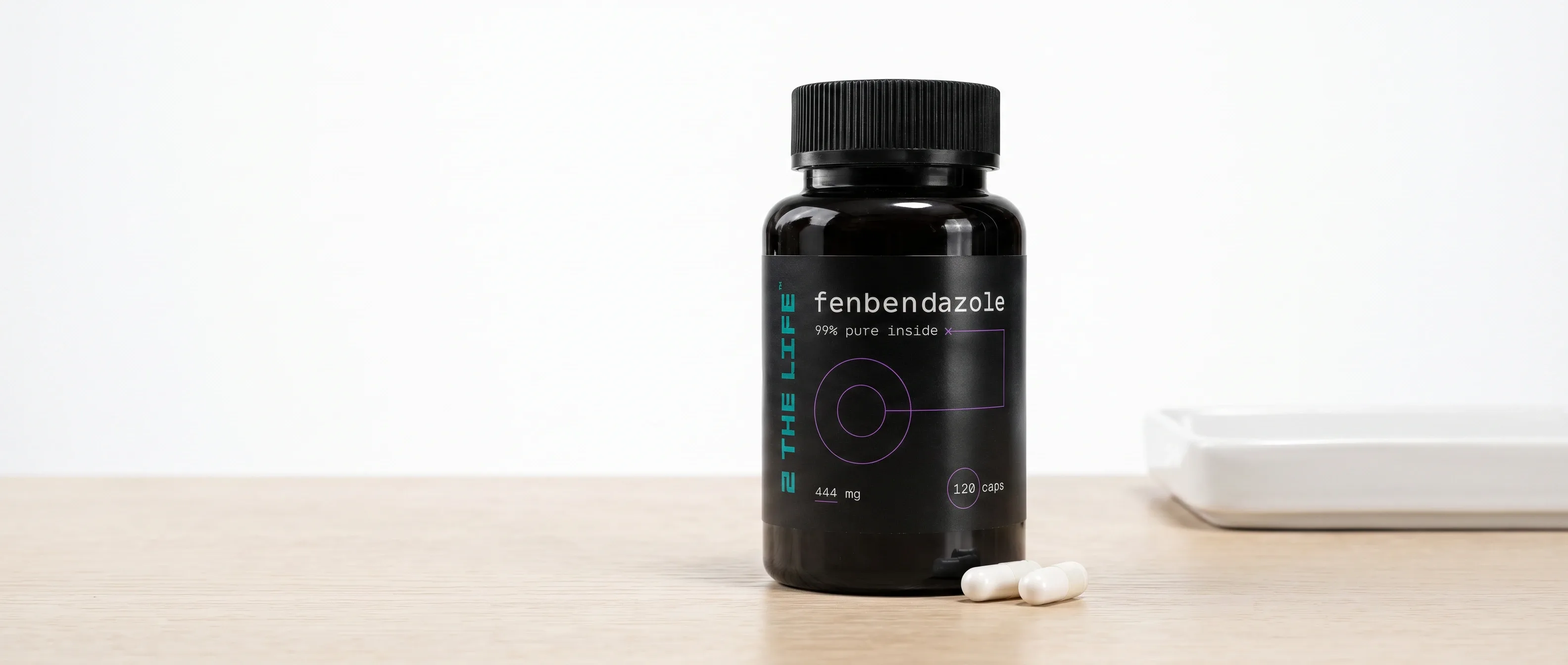
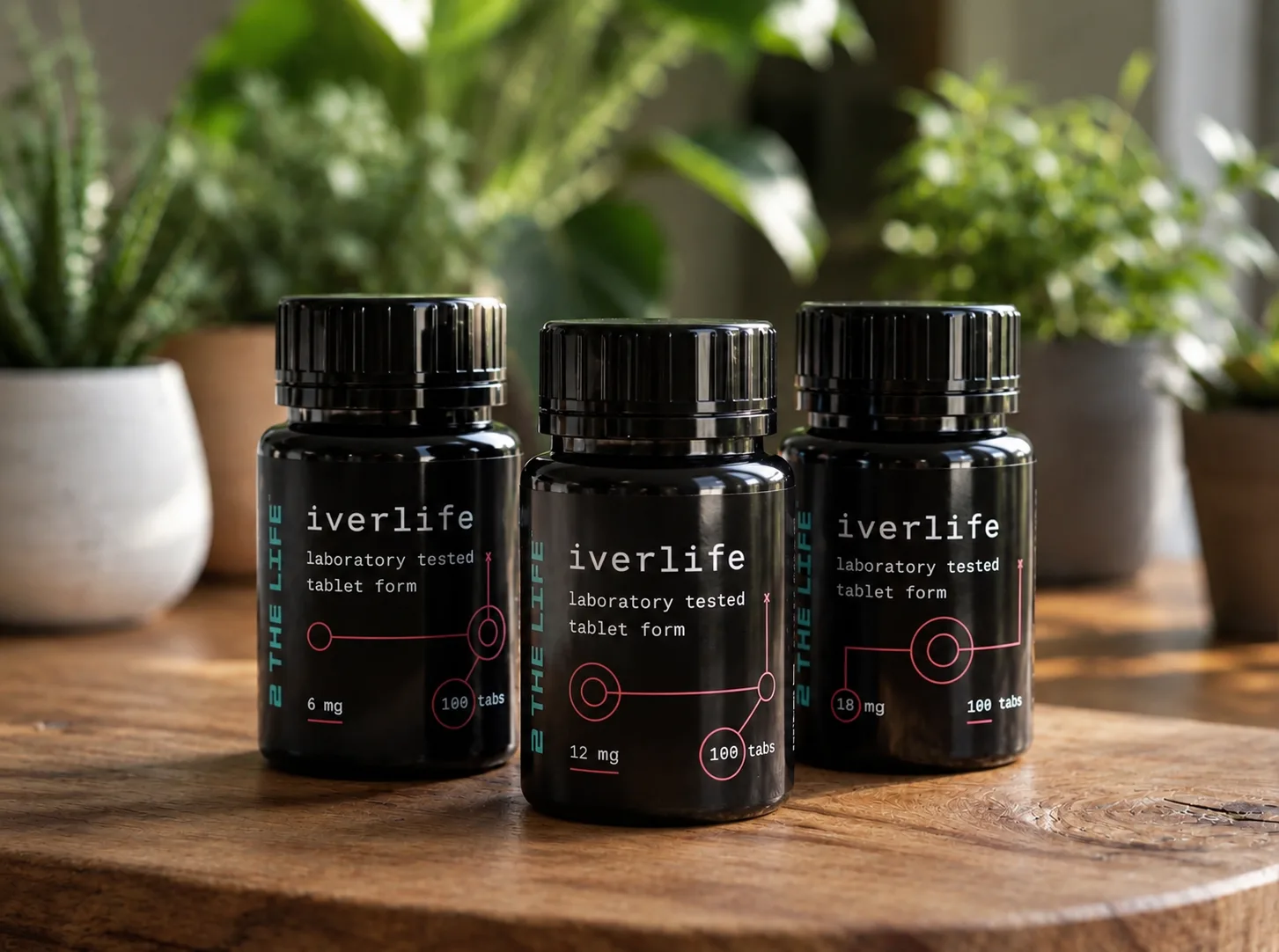
Fenbendazole 444 mg — 120 Capsules $79.99 Ivermectin 12 mg — 100 Tablets $79.95

Frequently Asked Questions

Why combine fenbendazole and ivermectin?

They target cancer through almost entirely different mechanisms. Fenbendazole attacks cell structure (microtubules) and metabolism (glucose), while ivermectin attacks signaling pathways (Wnt, PAK1), drug resistance (P-gp), and immune evasion. Together, they create comprehensive coverage across cancer's key survival mechanisms, following the same combination-therapy logic used in conventional chemotherapy regimens.

Is there clinical trial data for the combination?

There are no completed clinical trials of the specific fenbendazole + ivermectin combination in humans. The closest available evidence is a 2026 observational study of ivermectin plus mebendazole (a close fenbendazole analog) in 197 patients, which reported an 84.4% clinical benefit rate. Both drugs individually have a growing body of preclinical and mechanistic evidence, but formal randomized trials for the combination do not yet exist.

What doses are used in the combination protocol?

A representative, patient-community-derived protocol uses fenbendazole 222–444 mg (3 days on / 4 days off) plus ivermectin 12–18 mg (pulsed on days 1–3 per week, taken with a fatty meal to improve absorption). Vitamin E succinate (400–800 IU) and curcumin with piperine (500–1000 mg) are common daily additions. None of these doses have been validated in controlled human trials for cancer treatment.

Read Also

Ivermectin tablets — scientific review of anticancer mechanisms
Research

Ivermectin and Cancer: What the Science Really Says

Read more
Fenbendazole capsules — complete cancer protocol guide
Protocol

Fenbendazole and Cancer: The Science, The Protocols, and What You Need to Know

Read more
Fenbendazole 222mg vs 444mg dosage comparison guide
Guide

Fenbendazole 222mg vs 444mg: Which Dose Is Right for You?

Read more

Shop the Full Protocol

Lab-tested · 99%+ purity · Free US shipping on qualifying orders

Browse All Products

Premium wellness, delivered

Lab-tested supplements and gift cards that never expire. Pay with card or your 2TheLife balance.

Shop now Buy a gift card
2TheLife

Premium wellness & health supplements, crafted for a better life.

ShopIvermectinFenbendazoleGift CardsAccountPrivacy PolicyTerms of Service
© 2026 2TheLife. All rights reserved.